


Look, I’m gonna be real with you. Everyone and their mother has an opinion about which is the easiest programming language to learn. Most of them are wrong, or at least not telling you the whole story.
I started coding back when dial-up internet was still a thing. Had to learn BASIC on an old Commodore 64 my dad brought home from work. These days I teach programming at a local community college, and I’ve watched probably 500+ people try to learn their first language. Some stick with it, most don’t.
The thing that pisses me off about most “beginner programming” advice is it’s written by people who learned to code 20 years ago and forgot what it’s actually like to be confused by everything. Or worse, it’s written by people who never taught beginners at all.
[ez-toc]
What Actually Makes Programming Easy vs Hard
Forget what you read on Reddit or Stack Overflow. After watching hundreds of students either succeed or flame out spectacularly, I know what actually matters for beginners.
Can you read the damn code? If it looks like someone sneezed punctuation marks all over the screen, beginners get overwhelmed fast. I’ve seen students quit because they couldn’t figure out where one command ended and another began.
Do the error messages help or just make you want to throw your computer? Nothing kills a beginner’s motivation faster than error messages that might as well be written in ancient Greek. “Segmentation fault core dumped” tells you absolutely nothing useful when you’re learning.
Can you make something happen quickly? If it takes you three hours to set up your environment before you can even print “Hello World,” that’s not beginner-friendly, I don’t care what anyone says.
The easiest programming language is the one where you can write something useful in your first week without wanting to quit.
Python – Yeah, It Really Is That Good
Everyone recommends Python as the easiest programming language to learn. I was skeptical for years because, come on, everyone can’t be right about the same thing. But damn if they aren’t.
I taught a class last semester with students ranging from 18 to 67 years old. By week three, literally everyone had written a program that did something useful. The 67-year-old guy (retired accountant) made a script that balanced his checkbook. The 18-year-old made a program that automatically downloaded her favorite YouTube videos.
Python reads like English. When you write if temperature > 90: even my grandmother would understand what that means. Compare that to some other languages where you need to remember twelve different symbols just to check if two things are equal.
The community is huge and actually helpful. When you Google a Python question, you get real answers from real people instead of gatekeepers telling you to “read the documentation” (which is usually garbage anyway).
Downsides nobody talks about: Python can be annoyingly slow for some stuff, and it won’t teach you to manage memory or understand how computers actually work under the hood. But honestly? Most beginners don’t need to know that stuff yet.
I’ve had students go from zero programming knowledge to automating parts of their day jobs in less than a month with Python. That’s pretty damn good.
JavaScript – The Love/Hate Relationship
If you want to build websites, JavaScript might be your best bet for the easiest programming language to start with. Not because it’s particularly easy (it’s actually kind of weird), but because you can see results immediately.
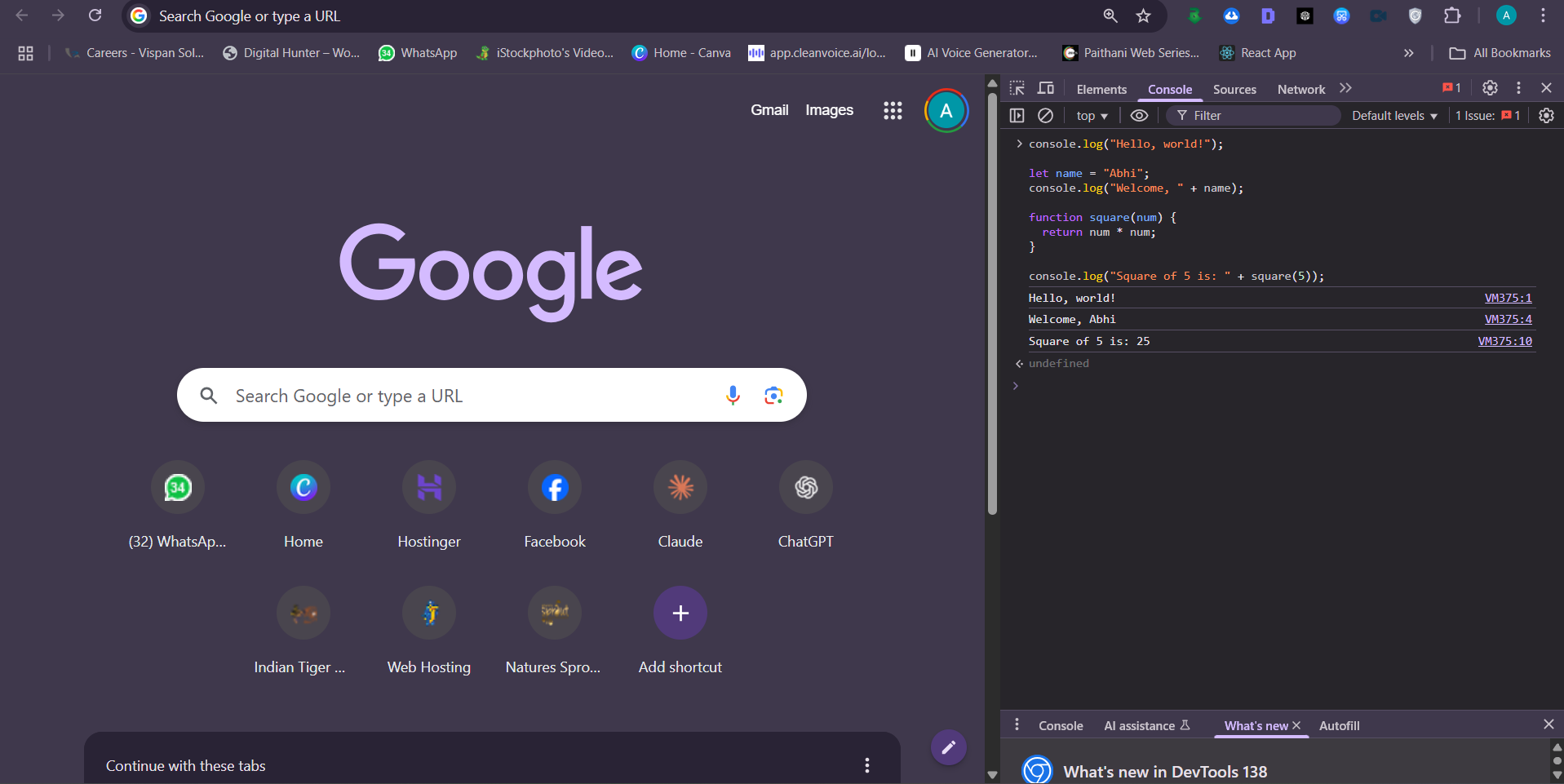
Every computer has a web browser. Hit F12, click console, start typing JavaScript. Boom, you’re programming. No installation, no setup, no bullshit.
I had this student last year, graphic designer who wanted to make her portfolio more interactive. Day one, she was changing text colors and moving things around the page. Week two, she had buttons that did things when you clicked them. Seeing her designs come alive kept her motivated through the parts that made no sense.
JavaScript is everywhere these days. Websites, phone apps, even desktop programs. Learn it once, use it everywhere.
The frustrating parts: JavaScript does weird shit sometimes. The same operation can give you different results depending on… reasons. I’ve seen beginners spend hours debugging something that should work but doesn’t because of some language quirk nobody warned them about.
But if you want to build stuff for the web, you’re gonna learn JavaScript eventually anyway. Might as well start there.
Scratch – Don’t Laugh, It Actually Works
Scratch gets no respect because it looks like a kids’ toy. It kind of is, but it’s also secretly brilliant for teaching programming concepts without all the syntax headaches.
Instead of typing code, you drag colorful blocks around. No worrying about semicolons or typos that break everything. You focus on the logic instead of memorizing where to put the brackets.
My neighbor’s 10-year-old daughter was struggling in math class. Her mom asked if I could teach her some “computer stuff” to help. We spent a few weeks in Scratch building simple games and animations. Six months later, she’s explaining coordinate systems to her math teacher.
The concepts you learn in Scratch transfer directly to “real” programming. Variables, loops, conditionals, functions – it’s all there, just wrapped in a friendlier package.
I’ve had adult students who were terrified of “real programming” start with Scratch and move to Python within a couple months. Sometimes you need that confidence boost before you tackle the intimidating stuff.
Java – The Controversial Choice
Half the computer science programs in the country start with Java. The other half think that’s insane. I’m somewhere in the middle.
Java forces you to learn good habits from day one. You have to declare what type of data you’re working with, organize your code properly, follow strict rules. This builds discipline.
But holy crap is it verbose and intimidating for beginners. A simple “Hello World” program in Java requires understanding classes, methods, and a bunch of other concepts that beginners aren’t ready for.
I taught a bootcamp a few years ago where we started with Java. Lost about a third of the students in the first month. They got overwhelmed by all the ceremony and formality before they even understood what programming was supposed to accomplish.
When we switched to starting with Python and moving to Java later, retention improved massively. People need some success under their belt before they tackle Java’s complexity.
When Java makes sense: If you’re serious about software development as a career and want to understand how “real” enterprise programming works, Java teaches important fundamentals. But it’s not what I’d call the easiest programming language for casual learners.
What is the Easiest Programming Language to learn in 2025 – Depends What You Want
After teaching this stuff for years, I’ve realized the question “what is the easiest programming language to learn” is backwards. It should be “what do you want to build?”
Want to automate boring stuff at work? Python, hands down. I’ve had students automate everything from expense reports to social media posting.
Want to build websites or apps? JavaScript. You’ll see results immediately, and it’s practical knowledge you can use right away.
Scared of programming but curious? Start with Scratch. Get comfortable with the concepts, then move to something else.
Planning to study computer science? Python first to build confidence, then Java to learn proper software engineering.
Want to make iPhone apps? Swift is surprisingly beginner-friendly compared to what iOS development used to require.
The easiest programming language is whichever one helps you build something you actually care about.
Mistakes I See Beginners Make (Don’t Do These)
Trying to learn three languages at once. I see this constantly. Someone starts Python, gets curious about JavaScript, tries Java because their friend recommended it. They end up mediocre at everything instead of good at one thing.
Pick one language. Stick with it for at least three months. Get actually good at it before you start exploring others.
Starting with the wrong language for their goals. Don’t learn C++ if you want to make websites. Don’t start with JavaScript if you want to do data science. Match the tool to the job.
Quitting during the hard part. Every programming language has a difficulty spike around week 3 or 4. You move past basic syntax into actual problem-solving, and suddenly everything feels impossible. This is normal. Push through it.
Tutorial hell. Watching 47 different Python tutorials instead of actually writing code. Reading about programming is like reading about riding a bike – you have to actually do it.
Not building anything. The students who succeed are the ones building stupid little projects from day one. Calculator programs, guessing games, simple websites. Build stuff, even if it sucks.
Real Resources That Don’t Suck
Most programming tutorials are hot garbage. Either too basic and boring, or too advanced and confusing. Here’s what I actually recommend to my students:
For Python: “Automate the Boring Stuff” by Al Sweigart. Free online, teaches practical programming through python real-world projects. Way better than academic textbooks that put you to sleep.
For JavaScript: Mozilla Developer Network has the best documentation, period. FreeCodeCamp is solid for structured learning, but avoid their forum – it’s become a cesspool of gatekeeping.
For Scratch: Just go to scratch.mit.edu and start building something. The tutorials are built into the platform and actually helpful.
General advice: Find one resource and stick with it. Don’t jump between different courses and tutorials. Most beginners fail because they never finish anything, not because they picked the wrong starting point.
Avoid random YouTube videos unless you’re trying to solve a specific problem. Most of them are either outdated or taught by people who can’t explain things clearly.
The Honest Truth About Learning Programming
Here’s what nobody tells beginners: the hardest part isn’t choosing the easiest programming language. The hardest part is sitting down every day and actually doing it.
I’ve seen people become great programmers starting with supposedly “difficult” languages because they were motivated to build something specific. I’ve also seen people give up on “easy” languages because they got bored or frustrated.
The easiest programming language to learn is the one you’ll actually stick with long enough to get good at it.
Most programming advice comes from people who learned 15+ years ago and forgot what it’s like to be confused by everything. Or from people who want to sound smart by recommending obscure languages nobody uses.
My advice after watching hundreds of beginners? Start with Python unless you specifically want to build websites (then JavaScript) or you’re intimidated by typing code (then Scratch).
Don’t overthink it. The concepts you learn in any language transfer to others. I know excellent developers who started with ancient languages like BASIC, COBOL, even assembly language. The language matters way less than just starting.
Modern Languages Worth Mentioning
Swift for iOS apps – Apple designed it to be more approachable than the nightmare that was Objective-C. If you specifically want to make iPhone apps, Swift is surprisingly beginner-friendly.
Kotlin for Android – Easier than Java but just as powerful. Good choice if mobile development is your thing.
Go – Simple syntax, great documentation, growing fast. But probably not the best first language unless you’re specifically interested in web services.
But honestly? Stick with Python or JavaScript for your first language. Learn the fundamentals, build some projects, then explore other languages once you know what you’re doing.
Stop Overthinking and Start Coding
The question “which is the easiest programming language” assumes there’s one perfect answer. There isn’t. But there are languages that work better for beginners, and I’ve seen enough students succeed and fail to know which ones they are.
Python for most people. JavaScript for web development. Scratch if you’re intimidated or learning concepts. Java if you’re planning a computer science degree and want to understand “proper” programming from the start.
The easiest programming language is the one you’ll use to build something you care about. Pick one, commit to it for three months, make some stupid simple projects, and stop worrying about whether you chose “right.”
I’ve been programming for 20+ years and teaching for almost 10. The students who succeed aren’t the ones who pick the perfect language. They’re the ones who pick any language and actually write code every day.
Stop reading about programming and start doing it. Everything else is just procrastination with extra steps.
Frequently Asked Questions
Q1: What is the easiest programming language to learn for absolute beginners? A: Python is hands down the easiest programming language to learn if you’re starting from zero. I tell my students they can write useful Python programs in 2-3 weeks, but feeling actually comfortable with the easiest programming language takes 3-6 months of regular practice. Don’t believe anyone promising you’ll master the easiest programming language in 30 days – that’s marketing bullshit.
Q2: Which is the easiest programming language for someone with no math background? A: Python or JavaScript are both the easiest programming language options for non-math people. When students ask me what is the easiest programming language to learn without math skills, I always say programming isn’t really about math anyway. It’s more like solving puzzles. I’ve taught plenty of people who “suck at math” and they do fine once they realize the easiest programming language focuses on logic, not algebra.
Q3: What is the easiest programing language to learn for getting a job? A: The easiest programming language to learn for employment is either Python or JavaScript. I know people making six figures writing Python all day. When people ask what is the easiest programming language for career prospects, I tell them to pick one of these two. Get really good at the easiest programming language that matches your goals, and employers will hire you.
Q4: Should I learn multiple programming languages or stick with the easiest programming language? A: Hell no, don’t learn multiple languages at once. When beginners ask which is the easiest programming language to start with, I always add this warning – pick ONE. I see students try learning several languages simultaneously and it never works. Stick with the easiest programming language for your goals for at least 3 months before considering others.
Q5: Which is the easiest programming language for making games and apps? A: For games, the easiest programming language path is Scratch first, then Python with pygame for simple 2D games. For apps, JavaScript is the easiest programming language since it works for web, mobile, and desktop apps. When students ask what is the easiest programming language for building things, I tell them to focus on finishing small projects rather than picking the “perfect” easiest programming language.


